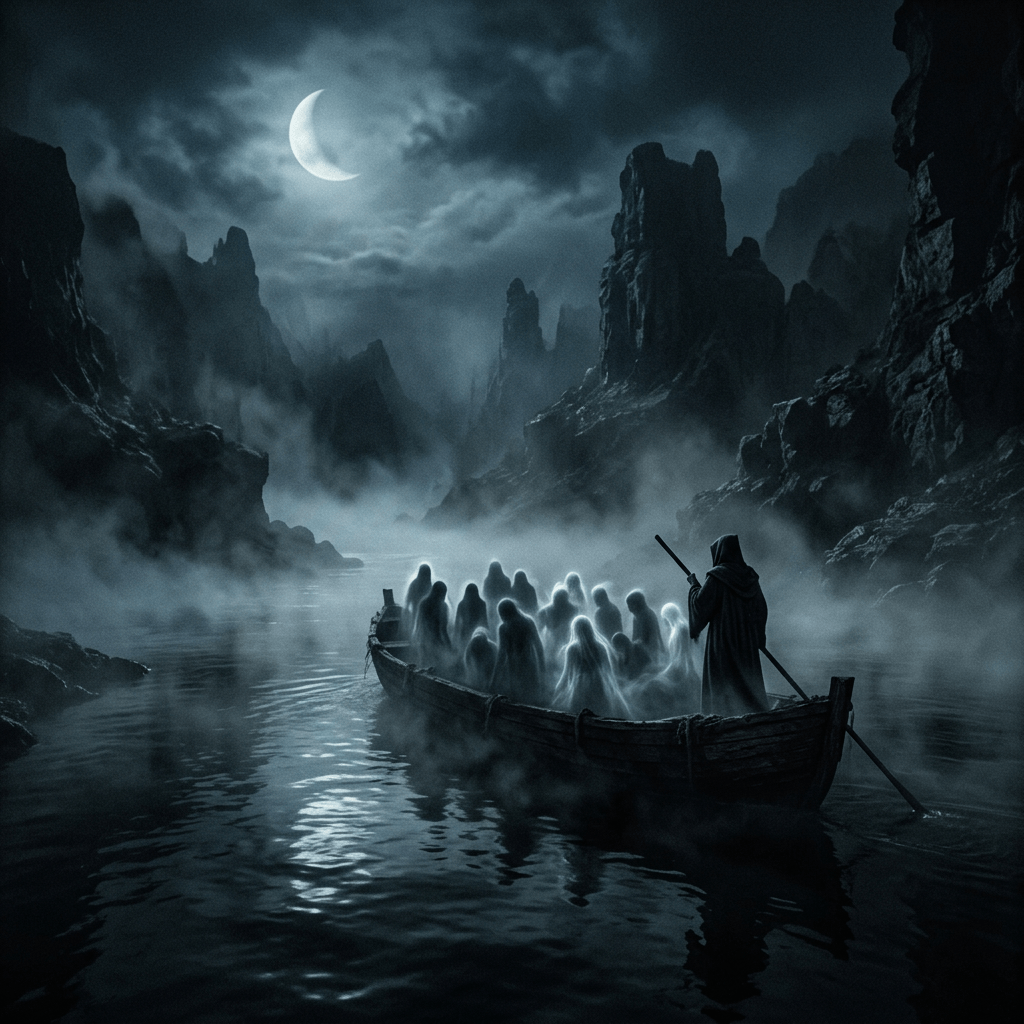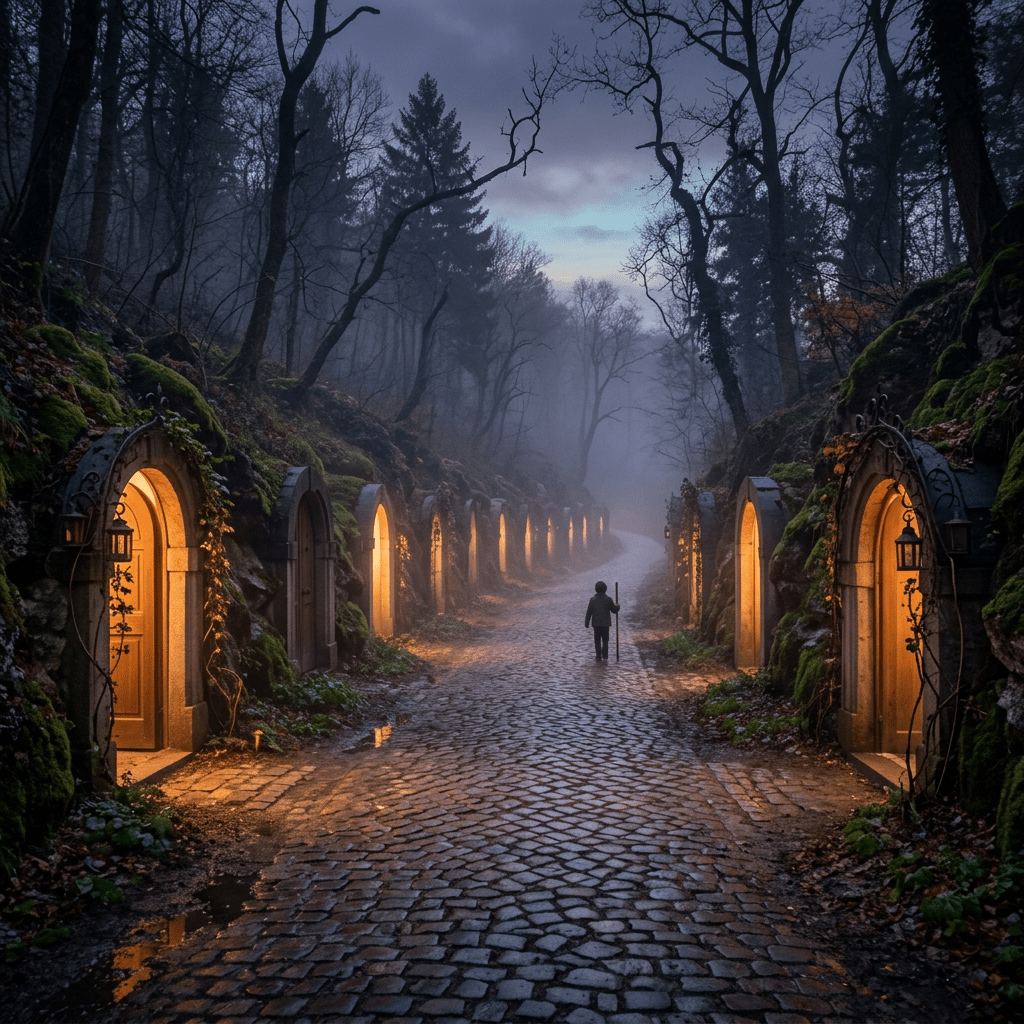
From the Shores of Styx

A baby cries
from the shores of Styx.

A child cries
from the darkness of a ghetto.

A baby cries,
and a child cries.

A mother cries
as a father dies.

A war starts.
Jobs end.
A house is lost.
A father dies.

The child grows.
The child says why,
but the man knows,
like those before him knew.

And so
the child sighed
as the man dies.

From the shores of Styx,
from the deepest part of Stygian,
a baby cries again—
screaming out of the darkness,
crawling out of the gloom,
refusing to keep the circle.

The child from the darkest recesses of Stygian
screams: I will fight for light,
and though I may lose
and die alone in the dark,
I will have created a glimmer
of hope.

As the man cries,
the woman dies,
and once again
a child rises from the darkness of Stygian,
screaming: I will create light.

And the circle remains
unbroken.

Author’s Note
In Greek mythology, Styx is both a goddess and the river that forms the boundary between the world of the living and the underworld. The rivers Styx, Phlegethon, Acheron, Lethe, and Cocytus all converge in a great marsh at the center of the underworld. The word Stygian refers to the deep darkness associated with that realm.

2 responses to “From the Shores of Styx”

  1. John Blair Avatar
    John Blair

    In this circle, is there any hope? Or is acceptance of the circle of life hope?

    Like

    1. Dan Sanders Avatar

      That life continues is part of the hope, and that the child continues to break free from the darkness, proclaiming they will create light from the darkness, is more of the hope. Of course, the unbroken circle of despair could be an idea of lost hope.

      Like

Leave a comment

This site uses Akismet to reduce spam. Learn how your comment data is processed.

Rating: 1 out of 5.

“Between Manger and Cave”

A couple of nights ago, I watched a rarity on television, an excellent show, Kevin Costner Presents: The First Christmas. As I listened to Costner’s narration, I couldn’t help but think back to my seminary days and wish someone had taught this version then. What struck me, beyond Costner’s presentation and delivery, was how different it was from what the Bible teaches or what churches traditionally teach. Instead of repeating familiar pageantry, it offered a retelling grounded in historical imagination and modern scholarship, a version that, to my mind, feels closer to the reality of what may have happened.

The Gospels of Matthew and Luke give us the only biblical accounts of Jesus’ birth, and they are spare, theological narratives. Luke tells us of Mary and Joseph traveling to Bethlehem because of the census, of the child lying in a manger because “there was no room in the inn,” and of the shepherds who were the first witnesses. Matthew, by contrast, emphasizes prophecy fulfilled: the Magi following a star, Herod’s paranoia, and the slaughter of the innocents. Both accounts are symbolic, designed to show Jesus as Messiah and Savior, but they leave many historical details unspoken.

Costner’s special, however, fills in those gaps with realism. It places the birth not in a wooden stable but in a cave—a detail supported by early Christian writers like Justin Martyr and by archaeological evidence from Bethlehem. Caves were common shelters for animals, far more plausible than the tidy manger scene we’ve inherited from centuries of pageantry. That single shift changes everything: from rustic charm to raw survival. Mary and Joseph are portrayed as vulnerable teenagers under Roman oppression. Herod’s cruelty is dramatized with unflinching detail, and the shepherds and Magi are woven together in a single narrative, reflecting how oral traditions often collapse timelines. The effect is a story that feels raw and human, less about prophecy and more about survival in a dangerous world. And in many ways, that realism rings truer than the theological gloss of the Gospel accounts.

Step by step, the differences become clear. The journey to Bethlehem in Luke is framed as obedience to a Roman decree; in the show, it is hardship and fear. The birth in Luke is humble, marked by a manger; in the show, it is stark, set in a cave carved into rock, damp and shadowed, where animals were kept. The witnesses in Luke and Matthew are divided: shepherds first, Magi later, but the show collapses them into a single dramatic moment, reflecting how memory and oral tradition often blend.

Herod’s violence in Matthew is theological, a warning about worldly power; in the show, it is visceral, a reminder of the brutality of history.

In the end, the Gospels give us a theological testimony, while Costner’s special offers a reconstruction that feels historically plausible. One stresses prophecy and divine purpose; the other stresses realism and human struggle. And if accuracy is the measure, Costner’s version may come closer to the facts of the Nativity than the Gospel accounts themselves.

Watching Costner’s retelling reminded me that stories never sit still; they shift with the teller, the time, and the need. The Gospels gave us prophecy and promise, the churches gave us ritual and pageant, and Costner gave us grit and survival. Somewhere between manger and cave, shepherd and Magi, theology and history, the truth of the Nativity flickers. And maybe that’s the point: every generation must find its own way to cradle the child, whether in scripture, in spectacle, or in memory. For me, Costner’s version felt less like myth and more like history, a ritual of faith, doubt, and wonder that refuses to fade, even under the harsh light of television.

And isn’t it something when Hollywood, of all places, edges closer to the facts than the pulpit? The Gospels gave us prophecy, the churches gave us pageantry, and Costner gave us caves, grit, and teenage parents. Two thousand years later, it takes a cowboy narrator to remind us that the Nativity was not a pageant in a stable but a birth in a cave, messy, human, and all the more believable.

CODA: If you’d like to see the full special for yourself, here are the official streaming options:

  • Watch on Disney+
  • Watch on ABC.com

Runtime: 1h 24m | Rating: TV-PG

Leave a comment

This site uses Akismet to reduce spam. Learn how your comment data is processed.

Rating: 1 out of 5.