Archibald the Mystical Mouse

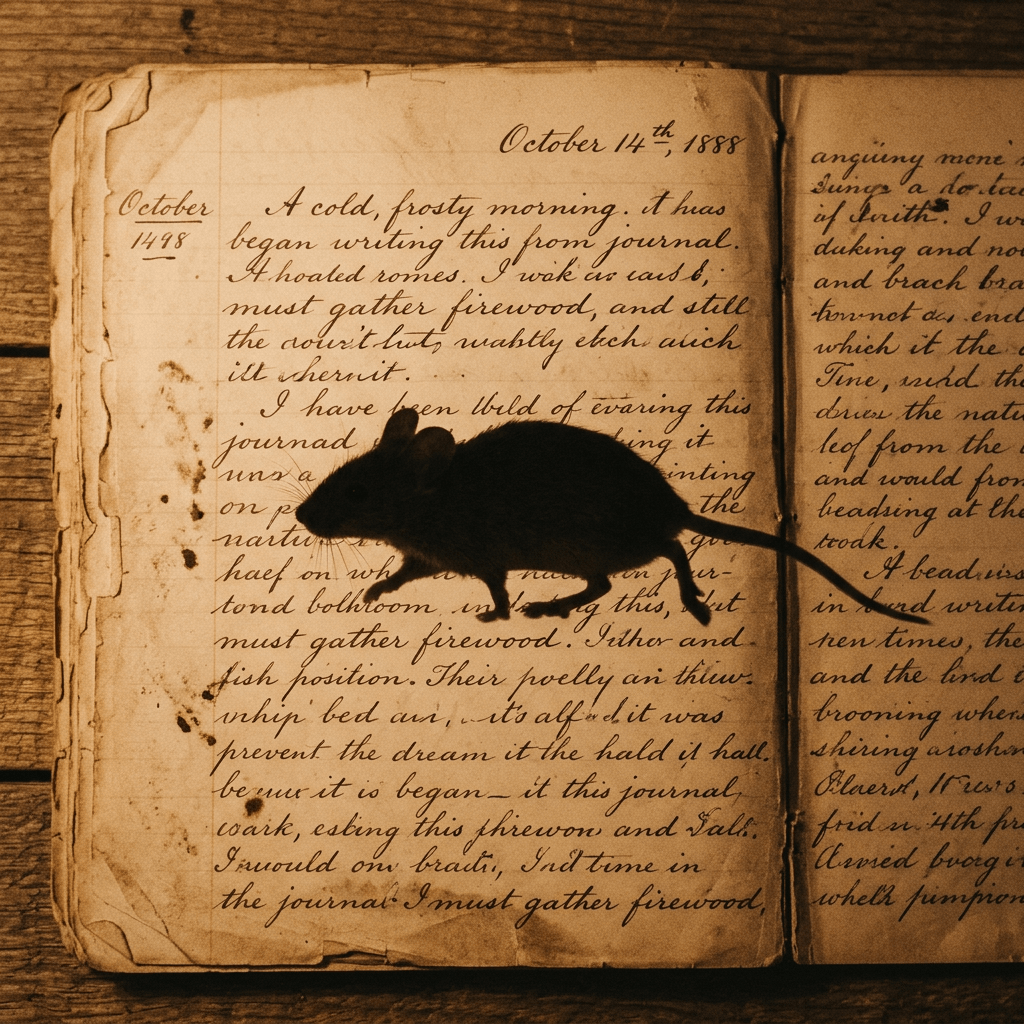
I’ve been thinking since March 5th of 2026, when I published my book, that I should rewrite it — not because I expect sales to suddenly skyrocket, but because I left out some things, explanations that would have mattered. Like the fact that I have this mystical mouse named Archibald MacLeish who shows up in the beginning. I just assumed everyone would sort of get it, and then it started occurring to me, over and over again, that no, not everyone does get it. What’s the big deal about the mouse?

So let me say it plainly.

In my book, I talk about this make‑believe mouse named Archibald MacLeish. He’s a small, mystical presence who slips in and out of the story, but the name itself comes from something real in my life. Back in school, my science teacher kept a classroom mouse, and he named that little creature Archibald MacLeish. At the time, I didn’t know much about the man behind the name, but my teacher did — and he believed in giving things names that meant something.

Later, I learned who the real Archibald MacLeish was — an American poet who wrote about democracy as something you do, not something you admire from a distance. He believed in dissent, in thinking for yourself, in the dignity of choosing your own path.

So the mouse in my book is that mouse — the one supporting my dissent. Not just the classroom mouse, and not just the poet, but the whole chain of belief behind it: a teacher who saw something in me, a poet who stood for freedom of thought, and a reminder that even the smallest presence can carry a big idea.

That’s the namesake. That’s the reason. That’s why the mouse is Archibald MacLeish. That’s why he shows up at the induction center.

And I should have explained that as an introduction to the little guy — why he’s there and given him the honor and the dues he deserved. I think folks would have felt the depth of his presence.

Leave a comment

This site uses Akismet to reduce spam. Learn how your comment data is processed.

A Rambling Harbor Note for Allen Ginsberg’s Born today May 3rd, 1926

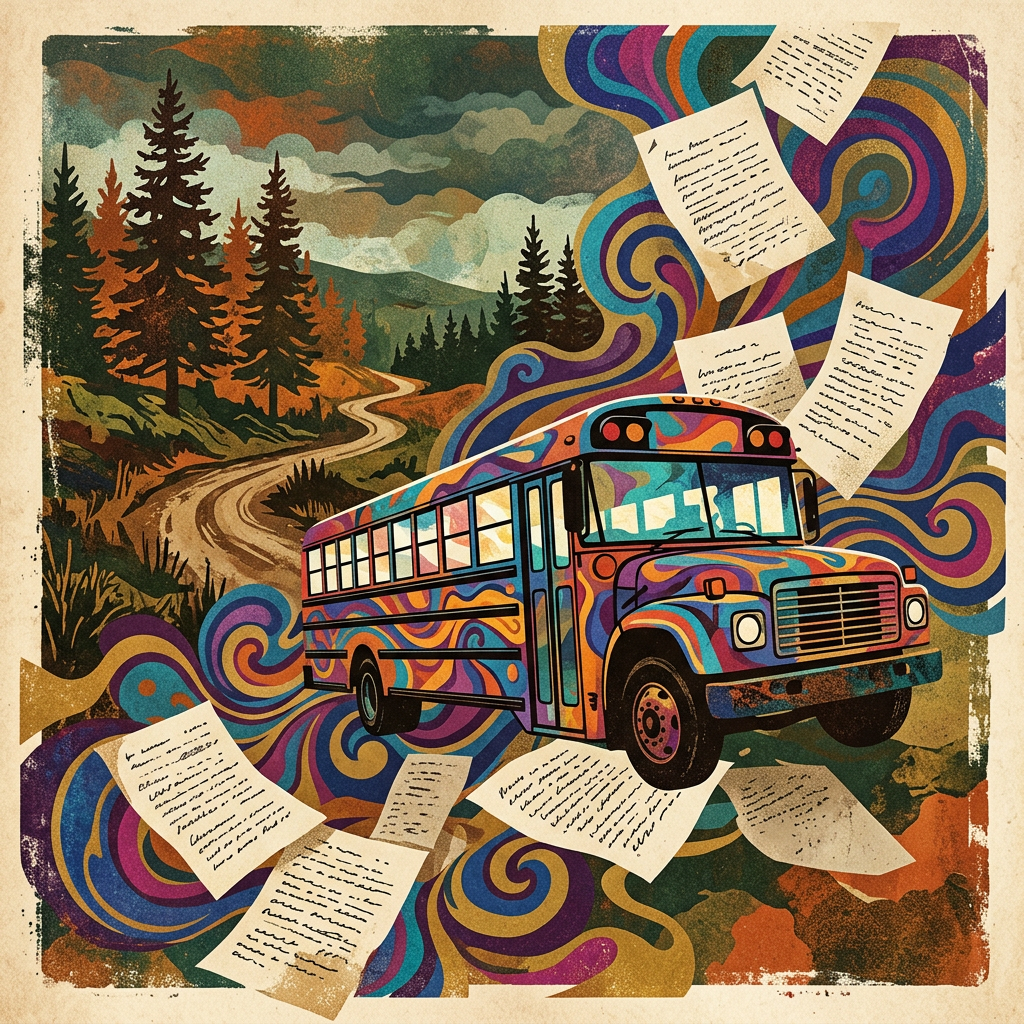
There are mornings in Rambling Harbor when the gulls sound like they’re arguing about poetry — loud, insistent, half‑mad, and absolutely convinced they’ve got the line that’ll crack open the universe. And on a day like this, with the tide dragging its feet and the coffee tasting like it’s been through a few revolutions of its own, I find myself thinking about Allen Ginsberg, born in 1926, long before “flower power” became a bumper sticker or a punchline.

Ginsberg didn’t invent the sixties, but he sure as hell lit the pilot light. The man could walk into a room and suddenly everyone was talking louder, thinking stranger, feeling braver. He had that way of seeing the world — cracked, luminous, holy in its brokenness — and he didn’t apologize for any of it. Why would he. The whole point was to not apologize.

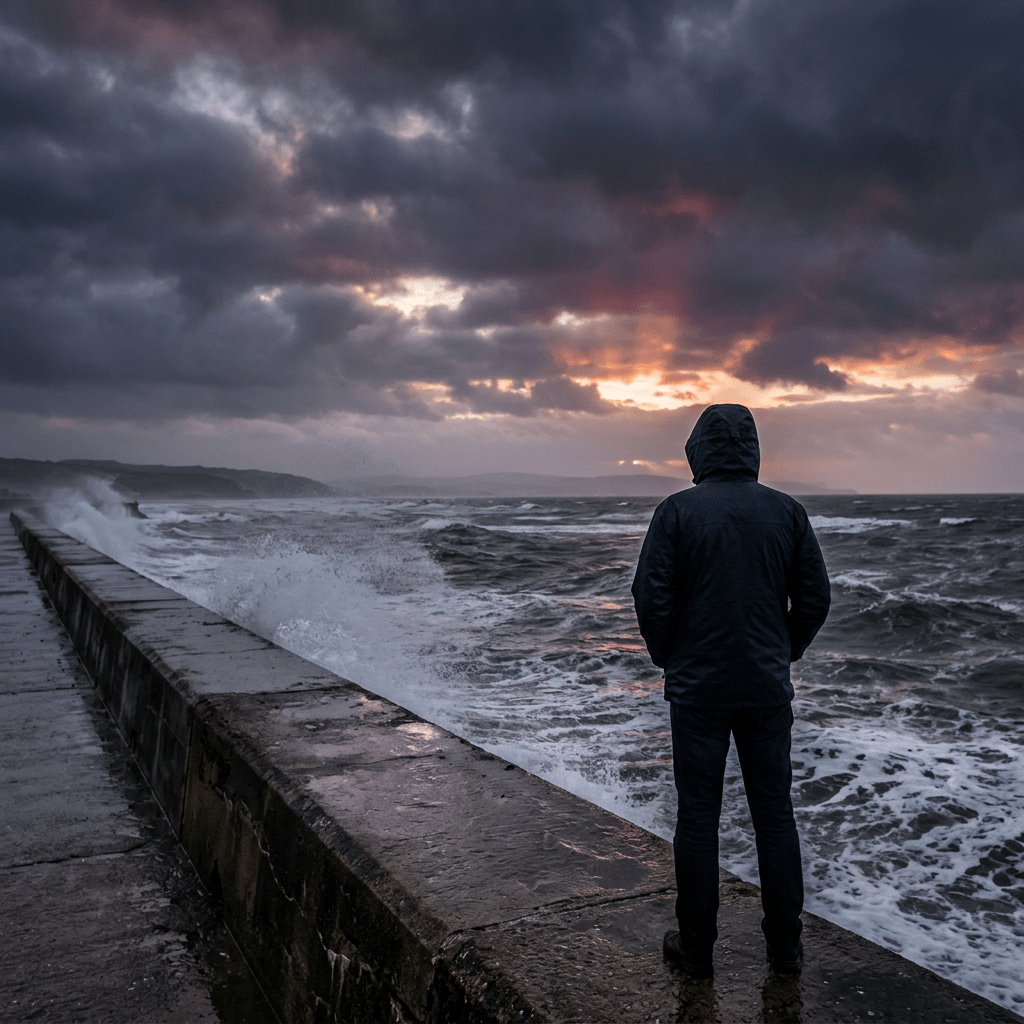
I imagine him wandering into Rambling Harbor, beard catching the sea breeze, eyes scanning the horizon like he expected a revelation to come rolling in on the next wave. And maybe it would. This place has a habit of handing you truths you didn’t ask for. Sometimes they’re gentle. Sometimes they hit like a wet rope across the knuckles.

He’d probably stand on the seawall, muttering lines to himself, something about angels and madness and the way America keeps trying to outrun its own shadow. And the old-timers down by the bait shop would look up, squint, and say, “Who’s the guy talking to the ocean?” And someone else would shrug and say, “Poet, probably,” and that would be enough.

Because around here, we know a thing or two about people who talk to things that don’t talk back.

Ginsberg coined “flower power,” but he also carried the weight of the world in his chest. He saw the beauty and the rot, the promise and the poison, and he wrote it all down like he was afraid the country might forget itself if he didn’t keep reminding it. And maybe he was right. Maybe we still need reminding.

So on his birthday, I raise a mug — chipped, stained, honest — to the man who howled at the machinery and dared it to howl back. To the poet who believed the world could be better if we just cracked our hearts open wide enough. To the stubborn, wild, inconvenient hope of it all.

And here in Rambling Harbor, where the wind never quite settles and the stories never quite end, that feels like something worth celebrating.

Subscriptions are free

Leave a comment

This site uses Akismet to reduce spam. Learn how your comment data is processed.

Some Thoughts and a Poem

I was just remembering the old Trump slogan “Drill, Baby, Drill,” and while I know a lot of folks are hurting because of the price of oil, I still think this: if there’s no earth left to drive on, the price of gas doesn’t matter.

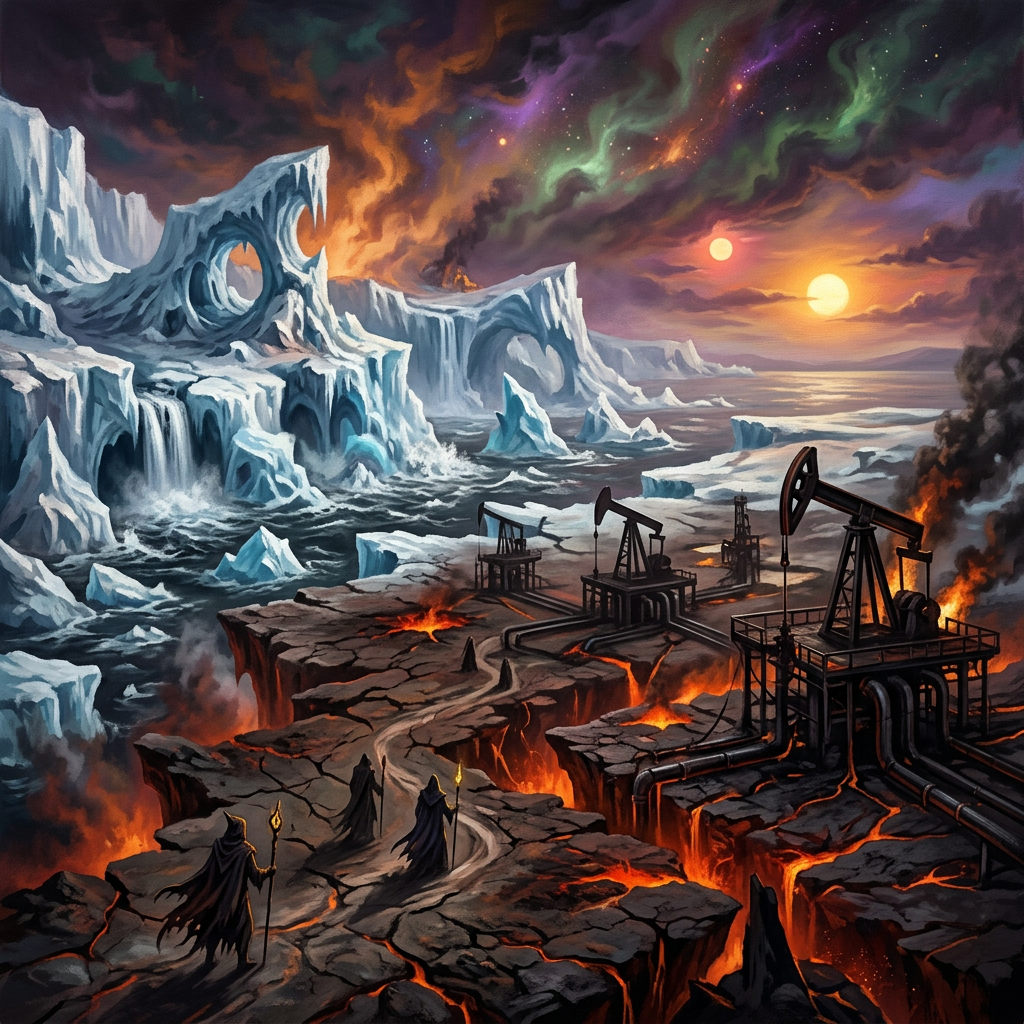
Oil drilling harms the Earth in multiple, well‑documented ways, affecting land, water, air, wildlife, and the climate. The damage begins long before the first drop of oil is pumped and continues through extraction, transport, and burning.

Oil drilling isn’t just a technical process or an economic talking point. It tears open land that never asked to be touched, poisons water that once ran clear and leaves behind a kind of silence that feels heavier than sound. Every spill, every leak, every plume of smoke is another reminder that the earth absorbs more than we ever admit — and it remembers longer than we ever will.

That’s the ground my poem “The Scorched Land” stands on. It came from the moment I realized the planet isn’t just a stage for our mistakes — it’s a witness. A witness to the forests scraped away for access roads, the oceans slicked with oil, the air thickened by what we pull from below. These aren’t abstract harms. They’re wounds. And the earth carries them the way a body carries scars.

The poem lives in that uneasy space where anger and grief meet the stubborn belief that we can still do better. It’s not political. It’s personal. It’s the voice you hear when the world goes quiet enough for you to notice what’s been lost and what’s still worth saving.

If you’ve ever felt that shift under your feet — that sense that the ground itself is keeping score — then “The Scorched Land” is the part of this post meant for you.

And if you want the part of this story that doesn’t fit neatly into facts or headlines, it’s in the poem that grew out of all this.

The Scorched Land

When the last of us remain on this scorched land,
We will watch the ancient footage of our folly—
How we spurned the cries of nature and her hand,
How we slowly drained the lifeblood of this planet.

We will see the glaciers melt, and oceans rise,
We will see the forests burn, and deserts spread,
We will see storms, floods, droughts, and fires,
We will see the mass extinction of the living dead.

We will wonder how we could have been so blind—
How could we have let our greed destroy our home?
How could we have ignored the signs of our decline?
How could we have sealed our fate with a catacomb?

Leave a comment

This site uses Akismet to reduce spam. Learn how your comment data is processed.

Subscriptions don’t bite and they are free

Gridiron for Leg Irons

In the winter of
Nineteen hundred and sixty-four
Something was going on,
Called the Vietnam War.

But all we could hear,
At the stadium that night
Was the roar of the crowd,
As we continued our fight.

But older friends
Had joined the fray,
And died in a swamp
Many worlds away.

The play was called.
And I started my run.
As another friend died
Under the gun.

The play I remember
Was Buck-forty-five
As the government kept telling
Us, lie after lie.

Then came the day
They said I must go.
But I stood on the line and shouted
My NO!!

They locked me in chains,
Both hands and
Both feet.
But the mind of the boy
Would not face defeat.

The judge said,
Son, “What will you do?”
I said, “Your honor.
It is all up to you.”

If you think I was wrong, then
To jail, I must go.
If you believe I was right
There’s a great Broadway show.
Perhaps we could go.

And with those words
In the blink of an eye
I traded the gridiron
For leg irons
And two years
At Danbury FCI.

Rating: 1 out of 5.

Leave a comment

This site uses Akismet to reduce spam. Learn how your comment data is processed.


Titanium Souls

Leave a comment

This site uses Akismet to reduce spam. Learn how your comment data is processed.