

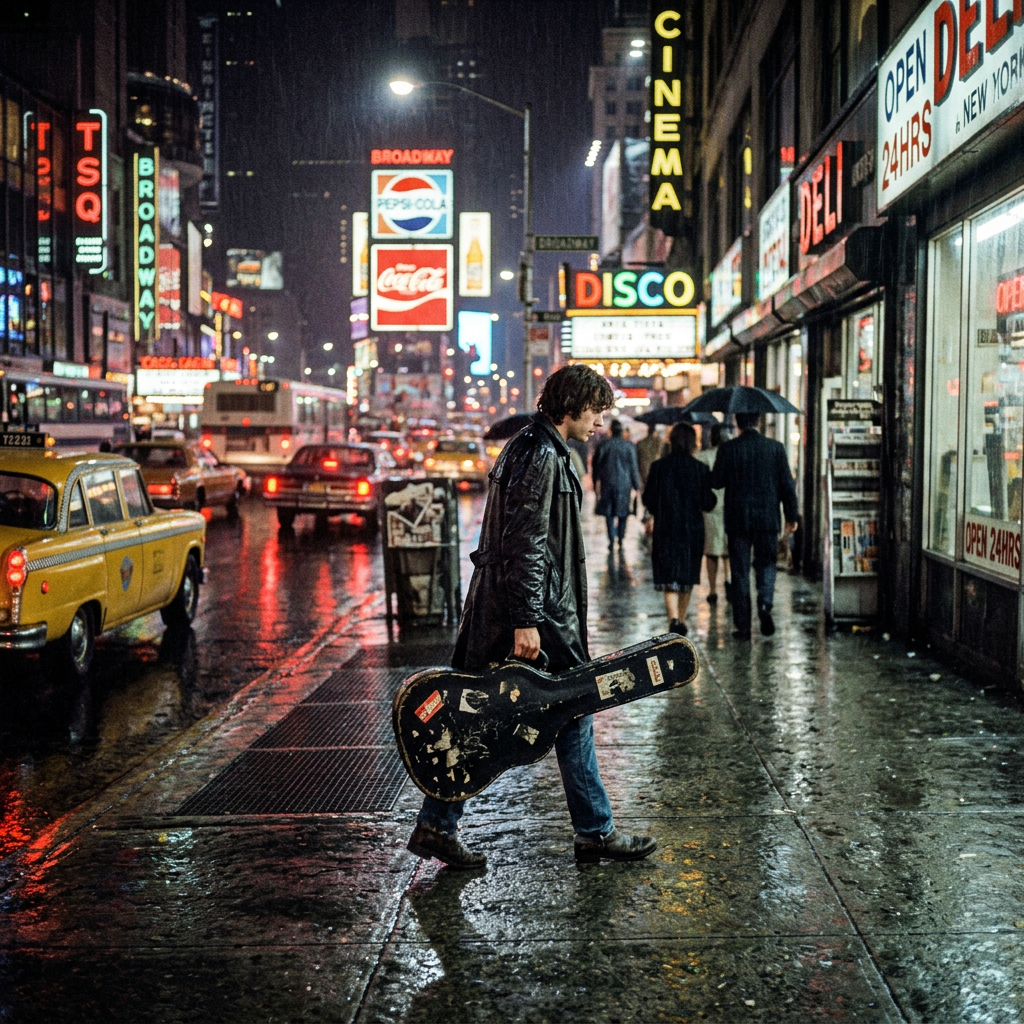
Jim Carroll, born in Manhattan in ’49, on August 1st always felt like somebody Boston would’ve claimed if New York hadn’t gotten to him first. He had that street‑level honesty, that “tell it straight or don’t bother” attitude you hear in corner bars from Dorchester to Eastie. The man wrote like he was peeling paint off a tenement wall just to see what truth was underneath.
And that line of his — “Conscience is no more than the dead speaking to us.”
That’s not airy poet talk. That’s a guy who’s seen things, done things, lost people, and knows damn well the ghosts don’t stay quiet. They sit with you. They mutter. They remind you who you were when you were too young, too wild, too stupid to know better. Carroll understood conscience the way a Boston dockworker might: not as a halo, but as a reckoning.
He came up in Manhattan, sure, but he carried himself like someone who’d survived a few winters on the Charles. Basketball courts, Catholic guilt, street corners that could make or break you — he turned all of it into fuel. The Basketball Diaries made him famous, but the poetry is where he really bled.
And the music — that was Carroll stepping into the fire. The Jim Carroll Band didn’t sound like a polished studio act; they sounded like the Lower East Side chewing on a live wire. Clubs like CBGB weren’t venues, they were battlegrounds: sticky floors, busted monitors, cigarette haze thick enough to write your name in. Carroll walked onstage like a guy dragging his past behind him, letting the amps spit it back out at full volume.
“People Who Died” wasn’t just punk — it was a street‑corner funeral shouted over guitars that sounded ready to explode. It was raw, sloppy, beautiful noise, the kind that made you feel like the world might crack open if the band hit one more chord. Carroll didn’t sing like he wanted applause. He sang like he wanted the truth to hurt a little.
Carroll’s voice — on the page or onstage — was raw, unvarnished, and weirdly tender. He could take the wreckage of youth, addiction, bad choices, the whole mess, and make it shine like something worth keeping. He wasn’t afraid of the dark. He walked into it with a notebook or a microphone and came back with lines that hit like a punch and linger like a bruise.
On his birthday, I try to remember him the way a Boston guy would — a tough‑minded poet who listened to the dead, argued with them, wrote down what they said, and handed it back to the living like a warning and a blessing rolled into one.
See less




Leave a Reply