
Psychedelics, Prayer, and the Big Question: What’s Really Going On?

I’m scrolling Facebook, minding my own business, and up pops Timothy Leary — yeah, that Timothy Leary — calling LSD a “microscope for consciousness.” And I’m sitting there thinking, Jesus, Tim, that’s one hell of a claim. But it stuck with me. Got under my skin a little. Made me wonder about awareness, perception, and all the ways people try to crack open the hood on their own minds.

Leary swore psychedelics could peel back the wallpaper and show you what’s really going on behind the scenes. But the more I chewed on it, the more I thought: are drugs the only way people get there? Or have monks and mystics been hitting the same level of awareness for centuries without dropping anything stronger than tea?

You look at Buddhist monks — guys who sit still longer than most of us can stay awake — and they talk about slipping into states where the “self” just dissolves. No ego, no boundaries, no noise. Sounds a hell of a lot like what Leary’s crowd described, minus the tie‑dye and the Grateful Dead soundtrack. They get there through breath, silence, and discipline. No shortcuts. No chemical boost. Just decades of showing up.

Then you’ve got Christian mystics writing about ecstatic union with God, Sufi mystics spinning themselves into divine drunkenness, Indigenous traditions using rhythm and fasting to shift consciousness. Different cultures, different methods — but they all end up describing the same thing: a mind cracked open wider than the everyday grind ever allows.

Leary’s microscope was chemical. The monk’s is meditation. The mystic’s is prayer. The Sufi’s is rhythm.

Different tools, same damn question: What is consciousness, really? Is it just neurons firing, or is there something deeper we can tune into if we know how?

Science is still poking at it with machines. Religion is still trying to wrap words around it. And regular people — folks like you and me — are still trying to experience it without losing our balance.

Some take the long road — decades of practice, discipline, devotion. Some take the shortcut — a few hours that feel like a lifetime.

And honestly?

Who are we to say the drugs aren’t the HOV lane to the same destination? Who are we to say the monk and the psychonaut aren’t both touching the same absolute truths — just arriving by different routes?

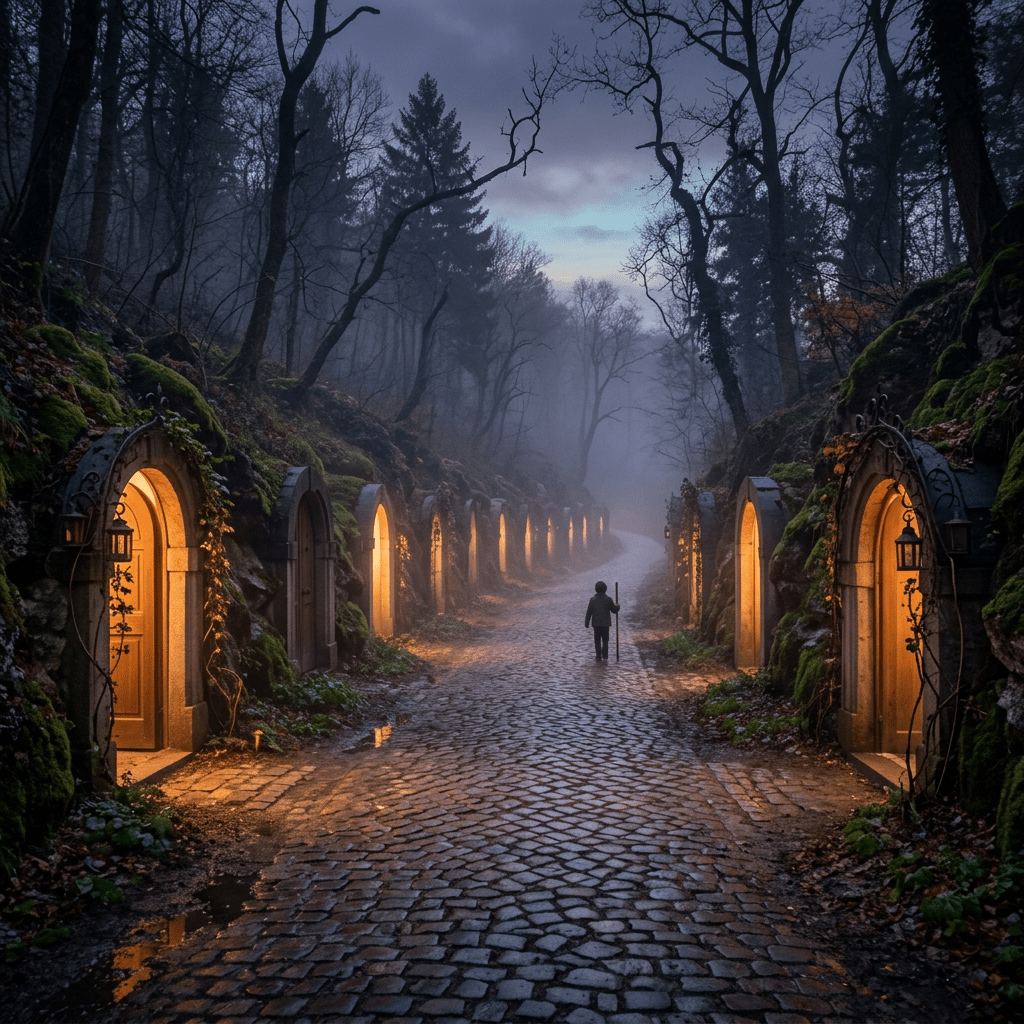
Maybe awareness has more than one doorway. And maybe every doorway leads to the same room.

Don’t get me wrong — I’m not telling you to drop acid or freeze your backside on a monastery rock. I’m just thinking out loud here.

Leave a comment

This site uses Akismet to reduce spam. Learn how your comment data is processed.

The Diamond Sutra.

The Diamond Sutra is set up as a conversation between the Buddha and an elderly disciple named Subhuti. Two voices, one asking, one answering, both circling around the same old questions we still ask today: What matters? What lasts? How do we see the world without getting lost in it?

Some dates slip past us without a sound, and some carry a little echo if you stop long enough to listen. This one goes all the way back to 868 A.D., when somebody — a monk, a printer, a pair of hands we’ll never know — pressed inked wood against paper and created what we now call the oldest printed book with a publication date. The Diamond Sutra. Sixteen feet of teachings, questions, answers, and the quiet persistence of human curiosity.

The word sutra comes from Sanskrit and means “teaching,” but it’s more than that. It’s a thread, a line connecting one mind to another across centuries. The Diamond Sutra is set up as a conversation between the Buddha and an elderly disciple named Subhuti. Two voices, one asking, one answering, both circling around the same old questions we still ask today: What matters? What lasts? How do we see the world without getting lost in it?

The physical book itself was printed from carved wooden blocks onto seven long strips of paper. Each page had its own block, carved by hand, reversed like a mirror, every line a small act of faith that someone in the future would want to read it. Those seven sheets were pasted together into a scroll about sixteen feet long — a book before books were bound the way we know them now. Imagine unrolling that thing, the slow reveal of words that had already traveled further than most people of that time ever would.

And then, like so many things, it vanished.

For more than a thousand years the scroll sat hidden away in Turkestan, sealed up with hundreds of other manuscripts in one of the Caves of the Thousand Buddhas. A whole library walled off, maybe to protect it, maybe to forget it, maybe because someone thought the world was ending and wanted to save what they could. We’ll never know. What we do know is that in 1900, a caretaker sweeping out a cave stumbled onto a doorway that hadn’t been opened in centuries. Behind it: bundles of manuscripts, paintings, scrolls, and among them, this sixteen‑foot conversation between a teacher and a disciple.

I like stories like this. They remind me that the things we make — the words we write, the thoughts we try to pin down — have a way of outliving us. They get lost, they get found, they get read by someone a thousand years later who has no idea who we were but still feels the spark of recognition. A voice calling across time saying, “I was here. I wondered about the same things you do.”

Maybe that’s why I keep writing. Maybe that’s why any of us do.

SUBSCRIPTIONS ARE ALWAYS FREE

Leave a comment

This site uses Akismet to reduce spam. Learn how your comment data is processed.