A few thoughts here are hard for me to write, because they force me to relive some of the worst days of my life. I’m sharing them because maybe it helps the healing, and because it’s more than Mother Nature and her climatological shenanigans that make me hate September. I’ve never been a fan of the month anyway. And I know I’m not the only person who has been — or is — going through tough times. When you mix difficult life issues with a chemical imbalance called SAD (Seasonal Affective Disorder), life can become a Ulyssean train wreck of emotions, senses, and befuddled thinking.
SAD is a mood disorder tied to seasonal changes, usually showing up as depression beginning in the fall and lasting through winter. It’s caused by a disturbance in the body’s circadian system. My condition is minor compared to what some people I know experience. I once worked with a woman who could cry at a funny joke — and she wasn’t pretending. And then there are the doubters who say things like: get over it; it’s not real; don’t let things get you down. This piece is for anyone who’s heard that too many times. I often think of James Joyce’s line: “Your battles inspired me — not the obvious material battles but those that were fought and won behind your forehead.”
In June of 1997, summer — the season of good times and hope — shattered into a million heart‑piercing fragments. After a misdiagnosis that let her cancer grow unchecked, my wife finally learned the truth. By then, the prognosis was treatable but not curable. It would one day take her life.
So we began living six months at a time. From one blood test and body scan to the next, we held our breath, never knowing if this time would be the last. We did that every six months for fourteen years.
Jennifer began thirty radiation treatments in a row. The burns were third‑degree. She would lie curled on the floor outside the treatment room, in pain from the day before, waiting for the next round. I was always with her — holding her as tightly as I could, sometimes curled beside her on that cold hallway floor, trying desperately to absorb even a sliver of her agony.
After radiation came two weeks of intensive chemotherapy. And then, almost a year later, as her body began to heal, she developed severe panic attacks. She couldn’t leave the house or be left alone. Once, I was gone for no more than fifteen minutes. When I returned, she was clinging to her chair, sweating, crying, begging me never to leave again.
Jennifer was not a coward. She was strong. Brave. But the disease was killing her in ways no scan could measure. I had already quit my job in broadcasting. There would be other jobs — or not. I wanted to be home so she would never feel alone.
By the end of 1997, we had at least put cancer in remission. With good doctors, counseling, and Jennifer’s relentless determination, she resumed what passed — at least to the outside world — as everyday life. Inside our home, we cocooned, believing that if we locked the world out, nothing could get in to harm us. The two of us were enough. And that’s how we lived — six months at a time, always together.
I had my own ways of coping — music and writing. I learned to live not just one day at a time, but sometimes one minute at a time. I didn’t yet realize how deeply life was carving its marks into me.
By the summer of 2009, traditional chemotherapy stopped working. Our six‑month reprieves ended with the doctor’s quiet words: “There is no more we can do to beat cancer back; it is spreading rapidly now.” I cried that day. But the worst day was still ahead. Suddenly, six months felt like a long time.
One last treatment was available: a Phase 1 clinical trial. Jennifer agreed to try it. She said she knew the drugs probably wouldn’t save her life, but maybe someday they would save someone else. She joked that lab rats had better lives than she did.
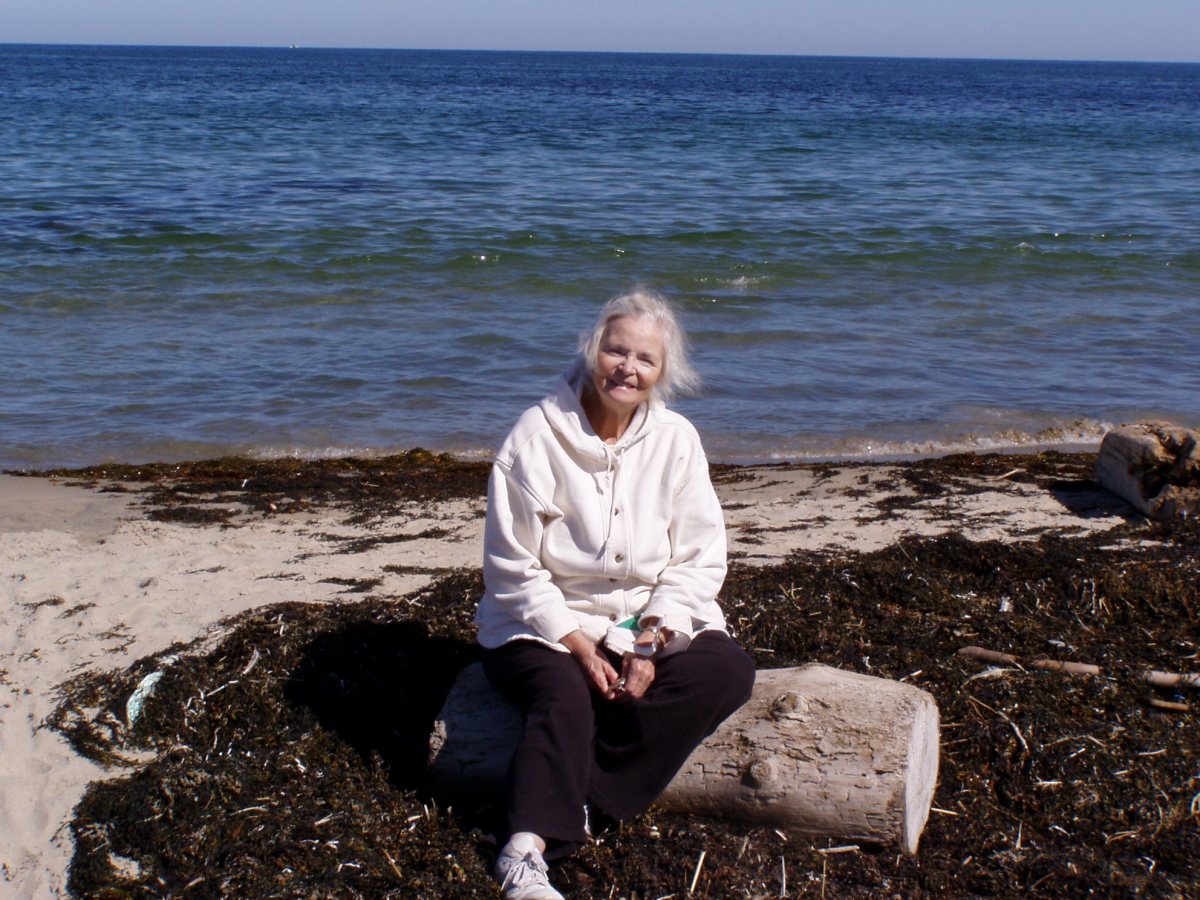
Jennifer had always been grateful that chemo hadn’t taken her long, beautiful blond hair. But these new drugs were brutal. Her hair came out in clumps on her pillow. I watched her body change from the vibrant ocean swimmer she had been to someone frail and barely recognizable. The woman who could outwalk and outswim me now needed help to move from one room to the next. The end was closing in. This would be our last summer together.
And this is where a question began — one I still carry today: What did Jennifer suffer quietly, never telling me?
I know she hid things. Not because she didn’t trust me, but because she loved me. She curled her pain inward so I wouldn’t have to carry all of it with her. I think about the fears she must have swallowed whole. Not the obvious ones — not the fear of cancer or dying or treatments that burned her skin and hollowed her bones. Those she faced openly. Those she let me see.
It’s the quieter fears I wonder about — the ones behind her eyes.
Maybe she feared becoming a burden. Maybe she feared watching me watch her suffer. Maybe she feared losing herself long before she lost her life — the swimmer, the walker, the strong woman who once outpaced me on any beach. Maybe she feared the shrinking of her world, the panic that made the front door feel like a cliff’s edge. And maybe — though she never said it — she feared leaving me alone in a house that once echoed with two voices.
There was pain she hid too. The physical pain, yes — the burns, the nausea, the exhaustion that made her bones feel hollow. But also the humiliation of losing independence, of needing help to move from one room to the next. She tried to stand straighter when I entered the room. She tried to smile when she was breaking.
I wonder what thoughts she kept from me in those last months. Did she count her remaining days? Did she lie awake listening to her own breathing? Did she realize before I did that we would not grow old together?
I will never know. Her silence wasn’t distance — it was devotion. She protected me from the full weight of her fear, even when she was too weak to lift her head. That was her last act of love.
Sometimes I wish she hadn’t. Not because I needed to know, but because she shouldn’t have had to carry any of it alone. I would have held every fear, every pain, every trembling thought. I would have carried it all if she had let me.
But she didn’t. She was always like that — even at the end. Protecting me quietly, suffering quietly, loving quietly.
And so the question remains — the one I will carry for the rest of my life: What did she endure in silence so I wouldn’t have to?
I’ll never know. And maybe that’s the shape love sometimes takes — the part that remains unknowable.
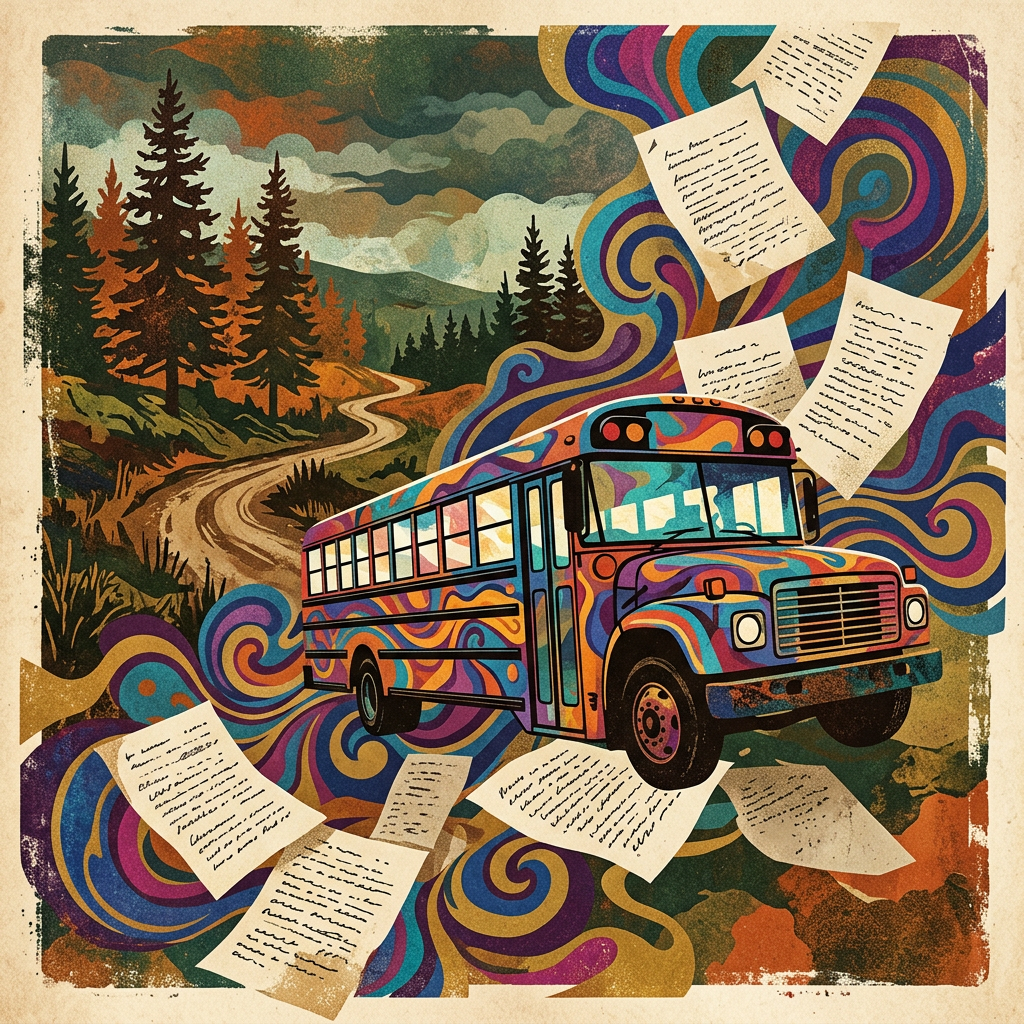
On September 14th, 2011, the hospice nurse who visited us daily said, “Maybe it’s time for inpatient hospice care.” She tried to soften it with “it’s not always a one‑way trip,” but I knew it would be. And so did Jennifer. Sometimes I wake up at night trembling, tears flowing down my cheeks as I follow the red taillights of the ambulance taking her on her last road trip. I have traveled every mile of that trip in my mind, and always will.
I spent the next eleven days in hospice, sleeping with my arms around my dying wife, waking to the sound of her breathing or gently pressing my lips to hers to check for air. And sometimes, I heard the sound that still echoes in my head at night — the death rattle.
On the morning of September 25th at 7:28, I didn’t have to check. Something felt different. The room felt hollow. Jennifer’s soul was gone. She had quietly slipped away sometime in the night. I wondered if she whispered goodbye and I didn’t hear. Knowing her, she probably didn’t want to wake me. Seminary never taught me this: the human soul is real. And hers had left the room.
The first three years after her death are a blur. I drank — sometimes fine scotch, sometimes whatever I could afford. I wrote poems deep into the night and listened to music until morning. A neighbor joked that I was channeling Edgar Allan Poe. Maybe I was. My doctor prescribed tranquilizers, antidepressants, and sleeping pills. A shrink told me I had PTSD. I snapped: “You’re nuts. PTSD? I haven’t been in a war.” They explained that I had been in a fourteen‑year battle against an enemy I couldn’t see — and that I lost the one person I couldn’t bear to lose.
I stopped the pills nine years ago. I stopped drinking ten years ago this December. I understand now: the dreams and flashbacks are part of a condition I’ll likely carry for life. And September will always be the hardest.
My first major break — the first time I truly lost my grip — was when a little white cat named Chloe died. The cat Jennifer had loved so much. The last living, touchable thing I had of her. The day I lost Chloe, I melted down. I nearly wrecked the exam room. Two friends explained to the staff what was happening, and they kindly said, “Let him go. We’ll clean up later.” Chloe’s body became Jennifer’s. Just like that morning in hospice when I had to be pulled away from my wife.
The most recent time was a few years ago, when Jennifer’s sister Gayle died. No one knows how important Gayle was to me. But in short: if there had never been a Gayle, there would have never been a Jennifer.
Every day, I try to be happy. I made a poster I look at each morning: “The dream lives; you were her dream; be happy.” I was loved. Deeply. Fiercely. And she would want me to be happy. I try. I really do. But then September comes, and the battle intensifies.
Still, I try to be as brave as she was — the woman who curled up on a hospital floor and still found the strength to fight. The woman who joined Phase 1 trials not only for herself, but for someone she’d never meet. She wanted us to grow old together. She wanted me to be happy.
But damn you, September. Your fall beauty hides your cruelty — the short days, long shadows, lonely nights, and memories that never fade.
I’ve survived fifteen Septembers without her. I will survive this one. And the next. Because carrying the weight of those years means I’m still carrying her.
And I know I’m not the only one who has traveled this road. Grief has a thousand faces, and none of them walk alone. I hope that by writing this — by laying out the bumps, the breaks, the nights that nearly swallowed me — it might help someone else get over their own rough patches and keep on keeping on.
I know if I can, they can.






Leave a Reply